
Going viral isn’t random luck—it’s a combination of psychology, timing, and smart content strategy. Every day, thousands of videos compete for attention, but only a handful break through to reach millions. This guide breaks down exactly what makes content spread like wildfire and gives you actionable steps to increase your chances of creating the next viral sensation in 2026.
What is a Viral Video?
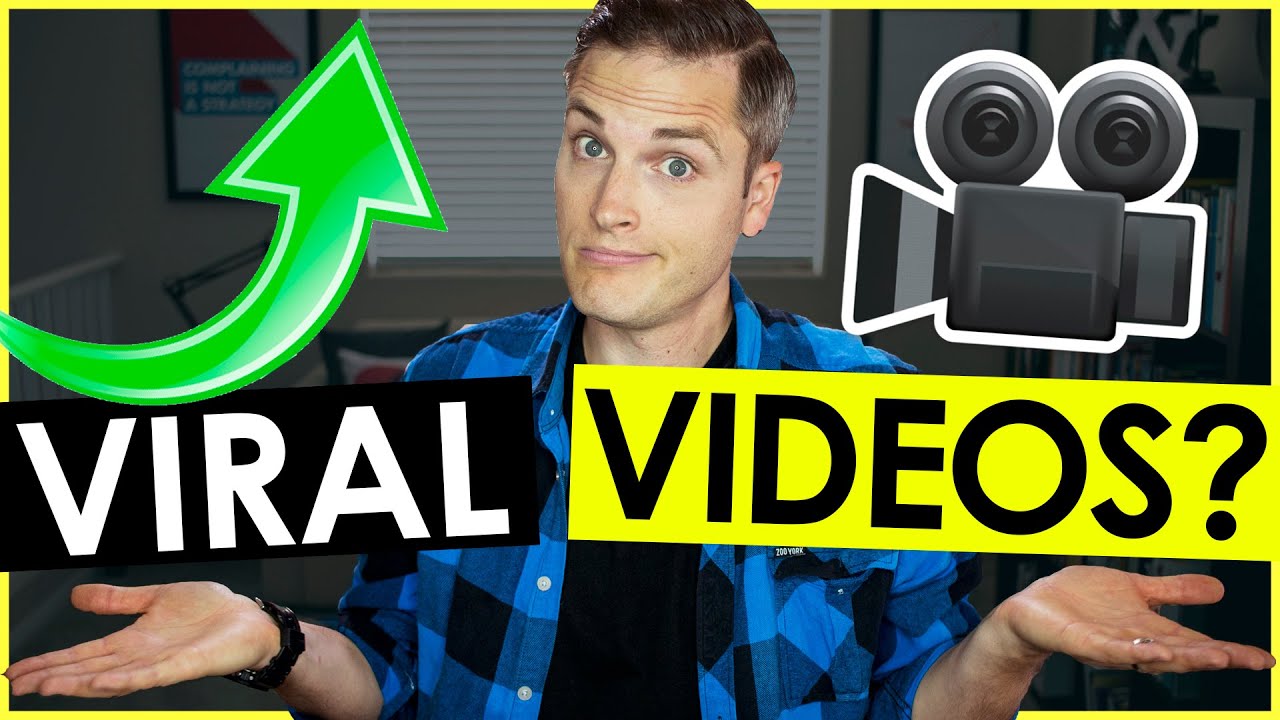
A viral video is content that spreads rapidly across the internet through social sharing, reaching exponentially more viewers than the creator’s original audience. Think of it like a digital wildfire—one person shares it with their network, those people share with theirs, and suddenly millions are watching.
The key characteristic is organic reach. Unlike paid advertising where you control distribution, viral content spreads because people genuinely want to share it. A video with 10,000 views from ads isn’t viral, but one with 10,000 views where 80% came from shares and recommendations absolutely is.
In 2026, the definition has evolved beyond just view counts. True viral content now creates conversations, spawns trends, gets remixed into memes, and influences culture beyond the original platform.
Why Viral Content Matters for Creators and Brands
Creating viral content offers benefits that go far beyond temporary internet fame.
For individual creators:
- Massive follower growth in days instead of months
- Monetization opportunities through sponsorships and partnerships
- Credibility boost in your niche or industry
- Potential career opportunities from increased visibility
For businesses and brands:
- Free marketing reach worth thousands in ad spend
- Brand awareness among target demographics
- Increased website traffic and sales conversions
- Social proof that builds trust with potential customers
A single viral video can accomplish what months of traditional marketing couldn’t. Small businesses have turned into household names overnight, and unknown creators have built million-follower audiences from one breakout video.
The challenge is that virality can’t be guaranteed—but it can definitely be optimized for.
The Psychology Behind Why Videos Go Viral
Understanding why people share content is the foundation of creating shareable videos. Research shows several psychological triggers consistently drive viral spread.
Emotional Resonance
Content that makes people feel something intensely gets shared more than neutral content. The specific emotions matter:
- Awe and wonder: “I can’t believe this is real”
- Humor and laughter: Content that genuinely makes people laugh
- Inspiration: Stories that motivate or uplift
- Surprise: Unexpected twists or reveals
- Anger or outrage: Controversial takes (use carefully)
Notice that mild emotions don’t cut it. A video that’s “kind of funny” won’t spread like one that makes viewers laugh out loud.
Social Currency
People share content that makes them look good to their network. When someone shares your video, they’re essentially saying “this reflects my taste and interests.”
Videos that make sharers appear:
- Knowledgeable (educational content with surprising facts)
- Funny (comedy that hits the right tone for their audience)
- Caring (heartwarming stories or important causes)
- Trendy (being first to share what’s new)
Practical Value
Content that helps people solve problems or improve their lives spreads naturally. Think life hacks, money-saving tips, or quick tutorials that deliver immediate value.
The key is making the value obvious within the first 3 seconds. Viewers need to instantly understand why they should care.
Storytelling and Narrative Arc
Our brains are wired for stories. Videos with clear beginning-middle-end structures keep viewers watching and create satisfaction that encourages sharing.
Even a 15-second TikTok can have narrative: setup (problem), action (attempt to solve), payoff (resolution or twist).
Platform-Specific Viral Strategies for 2026
Each platform has unique algorithms and audience behaviors. What works on TikTok might flop on YouTube.
TikTok Viral Strategy
TikTok remains the easiest platform for organic viral reach in 2026. The algorithm actively pushes unknown creators’ content to wider audiences if engagement is strong.
What works on TikTok:
- Hook viewers in first 0.5 seconds (text overlay, visual punch, or audio hook)
- Participate in trending sounds and challenges early
- Use 3-5 relevant hashtags including trending and niche tags
- Post when your specific audience is active (check analytics)
- Keep videos between 7-21 seconds for maximum completion rate
- Add captions since 70% watch without sound
- End with a question or call to comment to boost engagement
Content types that consistently go viral:
- “Things I wish I knew before…” (practical advice)
- Day-in-the-life or behind-the-scenes content
- Reaction videos to trending topics
- Satisfying or oddly mesmerizing visuals
- Relatable humor about specific niches
2026 TikTok update: The algorithm now favors “deeper engagement” over raw views, meaning saves and shares matter more than likes.
YouTube Shorts Viral Formula
YouTube Shorts competes directly with TikTok but with different viewer expectations and algorithm priorities.
YouTube Shorts best practices:
- First frame must be eye-catching (bright colors, text, faces)
- Aim for 15-30 seconds to maximize watch time percentage
- Use vertical 9:16 format shot in good lighting
- Include keywords in title and description for search discovery
- Add #Shorts in description to enter Shorts feed
- Create series or recurring formats to build loyal viewers
- Tease longer YouTube videos to convert Shorts viewers
What makes Shorts go viral:
- Quick tutorials or how-tos
- Before-and-after transformations
- Unexpected plot twists or reveals
- Compilation formats (best moments, fails, wins)
- Controversial opinions that spark debate in comments
Instagram Reels Virality Tactics
Instagram Reels benefits from the platform’s established social graph, meaning content spreads through both algorithmic discovery and follower networks.
Instagram Reels optimization:
- Use trending audio from the Reels Audio library
- Post at peak times (usually 11am-1pm and 7pm-9pm local time)
- Include location tags to reach local audiences
- Write engaging captions since Instagram users read more than TikTok
- Use 5-10 hashtags mixing popular and niche
- Engage with comments in first hour to boost reach
- Share Reels to your Story and Feed for multi-format exposure
High-performing Reels content:
- Fashion and style transformations
- Food content (recipes, restaurant reviews)
- Travel destinations and hidden gems
- Fitness routines and challenges
- Product reviews and recommendations
2026 shift: Instagram now prioritizes “original content” over reposts, so create platform-native videos rather than cross-posting from TikTok.
Long-Form YouTube Viral Strategy
While Shorts dominate quick virality, traditional YouTube videos still create lasting impact and sustained growth.
YouTube video viral elements:
- Thumbnail and title combination creates irresistible curiosity gap
- First 30 seconds hook viewers with the video’s core promise
- Pattern interrupts every 30-60 seconds (visual changes, pace shifts)
- Story-driven structure keeps viewers engaged through watch time
- Strong call-to-action for likes, comments, and subscriptions
- 8-15 minute length hits sweet spot for retention and ad revenue
Topics that trend on YouTube:
- Documentary-style investigations
- Challenge videos with unique twists
- Expert analysis of current events
- Personal transformation journeys
- Exposing scams or revealing industry secrets
Facebook and Twitter Video Strategies
Though less dominant for viral video, these platforms still offer opportunities, especially for specific demographics.
Facebook video tips:
- Native uploads perform better than YouTube links
- Add subtitles since autoplay is muted
- Target specific groups and communities
- Longer videos (3+ minutes) work better than other platforms
- Shareable content spreads through family networks
Twitter (X) video approach:
- Keep under 45 seconds for timeline viewing
- Quote tweet trending topics with relevant video responses
- Use current event hooks for timeliness
- Engage with replies to increase algorithm boost
12 Elements Every Viral Video Contains
After analyzing thousands of viral videos across platforms, certain patterns emerge consistently.
1. Strong Hook in First 3 Seconds
The opening determines whether viewers scroll past or stay. Start with your most compelling moment, a provocative question, or striking visual.
Bad hook: “Hey guys, welcome back to my channel…”
Good hook: “I accidentally spent $10,000 on the wrong product”
2. High-Quality Audio
Poor audio kills viral potential faster than mediocre video quality. Invest in a decent microphone or use trending music that enhances rather than distracts.
3. Pacing That Matches Platform Expectations
TikTok audiences expect rapid cuts and constant stimulation. YouTube allows slower builds. Match editing speed to where viewers are watching.
4. Relatable or Aspirational Content
Viewers share content that either reflects their life (“this is so me”) or shows them something they want (“I wish I could do this”).
5. Visual Appeal
Good lighting, clean composition, and eye-catching colors increase watch time. You don’t need professional equipment, but intentional framing matters.
6. Clear Value Proposition
Within 5 seconds, viewers should understand why this video matters to them. What will they learn, feel, or experience by watching?
7. Authenticity Over Perfection
2026 audiences detect and reject overly polished, corporate-feeling content. Real reactions, genuine emotions, and unscripted moments perform better than scripted perfection.
8. Cultural Relevance
Videos that tap into current conversations, trending topics, or shared cultural moments spread faster than evergreen content.
9. Unexpected Elements
Plot twists, surprising facts, or unusual combinations grab attention. “Firefighter reacts to cooking hacks” is more interesting than “cooking hacks.”
10. Optimized Length for Platform
TikTok: 7-21 seconds
Instagram Reels: 15-30 seconds
YouTube Shorts: 15-45 seconds
YouTube Videos: 8-15 minutes
Facebook: 1-3 minutes
11. Strategic Calls-to-Action
Don’t just ask for likes. Pose a question, request opinions, or create controversy that drives comments. Comments signal engagement to algorithms.
12. Shareability Factor
The ultimate test: Would someone send this to a friend? Videos with meme potential, quotable moments, or practical value get shared most.
Step-by-Step Process to Create Viral Content
Let’s break down the actual production process for making viral-worthy videos.
Step 1: Research Your Niche’s Viral Patterns
Before creating, spend time analyzing what’s already working in your space.
- Follow top creators in your niche across platforms
- Note recurring video formats and structures
- Identify gaps—topics that should exist but don’t yet
- Track trending sounds and hashtags weekly
- Save examples that inspire you
Tools to use: TikTok Creative Center, YouTube Trending page, Social Blade for analytics.
Step 2: Develop Your Unique Angle
Don’t copy what’s working—add your twist. The formula is: proven format + your unique perspective = viral potential.
Example: If reaction videos are trending, react to something unexpected in your niche. A teacher reacting to school scenes in movies. A mechanic reviewing car chases in films.
Step 3: Script or Outline Key Moments
You don’t need a word-for-word script, but plan:
- Opening hook (first 3 seconds)
- Key points or story beats
- Punchline or payoff
- Call-to-action
This prevents rambling and keeps content tight.
Step 4: Shoot With Intention
Lighting: Face a window or use ring light. Avoid overhead lights that cast shadows.
Framing: Keep yourself centered in vertical videos. Leave space for text overlays.
Multiple takes: Shoot 3-5 versions of key moments so you have options in editing.
B-roll: Capture extra footage that can cover cuts or add visual interest.
Step 5: Edit for Platform
Use editing apps that match platform features:
- CapCut for TikTok-style effects
- Adobe Rush for quick mobile editing
- DaVinci Resolve for advanced YouTube videos
Editing priorities:
- Cut out pauses and filler words
- Add captions for accessibility
- Include text overlays to emphasize key points
- Use transitions strategically (not on every cut)
- Color grade for consistent aesthetic
Step 6: Optimize Metadata
Titles: Include keywords but prioritize intrigue. “We tried the internet’s weirdest food trend” beats “Making viral pasta chips.”
Descriptions: First line matters most for YouTube. Include keywords naturally.
Hashtags: Research which ones are growing (not too big, not too small). Mix 1-2 broad tags with 3-5 niche ones.
Thumbnails (YouTube): High contrast, minimal text, expressive faces, and custom design beat auto-generated every time.
Step 7: Post at Optimal Times
Each platform has peak activity windows. Check your analytics, but general guidelines:
- TikTok: 6-10am and 7-11pm
- Instagram: 11am-1pm and 7-9pm
- YouTube: 2-4pm weekdays
- Facebook: 1-3pm
Time zones matter. If your audience is global, test different posting times weekly.
Step 8: Engage Immediately After Posting
The first hour is critical for algorithm momentum.
- Reply to every comment
- Like comments to encourage more engagement
- Share to your Story or other platforms
- Send to friends and ask them to engage (authentically)
Don’t ghost your video—active creators get algorithm preference.
Common Mistakes That Kill Viral Potential
Even great content fails if you make these errors.
Mistake 1: Burying the hook
If viewers don’t see value in 3 seconds, they scroll. Start with your best moment, not an introduction.
Mistake 2: Following trends too late
By the time everyone’s doing a trend, it’s dying. Jump on trends within the first 1-3 days for maximum boost.
Mistake 3: Poor audio quality
Viewers forgive average video but skip content with bad audio. Use AirPods or a cheap Lavalier mic at minimum.
Mistake 4: Overthinking and never posting
Analysis paralysis stops more creators than bad content. Post consistently, learn from data, improve over time.
Mistake 5: Copying without adding value
Duets and stitches work if you add commentary or a twist. Simply recreating viral videos without your angle won’t spread.
Mistake 6: Ignoring analytics
Your metrics tell you what’s working. If viewers drop off at 5 seconds, your hook needs work. If videos get views but no shares, they’re not compelling enough.
Mistake 7: Inconsistent posting
Algorithms favor active accounts. Posting 3 times then disappearing for a week resets your momentum.
Mistake 8: Wrong platform for content type
Long documentaries belong on YouTube, not TikTok. Quick memes fit TikTok better than Facebook. Match content to platform culture.
How to Increase Your Odds of Going Viral
Virality has random elements, but you can stack the deck in your favor.
Create Volume
Most viral creators have dozens or hundreds of videos that didn’t pop before one breaks through. Treat each video as a lottery ticket—the more you create, the better your odds.
Aim for 3-5 videos weekly on TikTok/Reels, or 1-2 weekly on YouTube. Quantity creates opportunities for quality to emerge.
Collaborate With Others
Duets, collaborations, and shoutouts expose you to new audiences. Partner with creators slightly bigger than you for mutual growth.
Remix and Iterate
When something performs well, create variations. If a “day in my life” video gets traction, try “day as a…” in different scenarios.
Analyze Successful Videos
Use tools like VidIQ or TubeBuddy to see why videos in your niche succeed. Look at:
- What titles and thumbnails get clicks
- Average view duration patterns
- Comment themes and questions
- Which moments viewers rewatch
Stay Culturally Aware
Follow news, memes, and conversations beyond your niche. The fastest viral videos tie specific expertise to broader cultural moments.
A chef’s video about a trending news story will outperform a generic cooking tutorial.
Monetizing Viral Success
Going viral is exciting, but turning that attention into income requires strategy.
Platform Revenue
- TikTok Creator Fund: Pays based on views (roughly $0.02-$0.04 per 1,000 views)
- YouTube Partner Program: Ad revenue plus channel memberships
- Instagram Bonuses: Occasional bonus programs for Reels performance
- Facebook Stars: Viewers can send stars during live videos
Sponsorships and Brand Deals
One viral video proves you can deliver reach. Reach out to brands in your niche with a media kit showing:
- Your viral video stats
- Audience demographics
- Engagement rates
- Previous successful content
Rates vary wildly: $100-$10,000+ per sponsored video depending on followers and niche.
Affiliate Marketing
Link to products you feature in viral videos. Amazon Associates, Share-A-Sale, and LTK offer commission programs.
A viral cooking video with ingredient links can generate $500-$5,000 in affiliate income.
Digital Products
Use viral attention to sell courses, ebooks, templates, or digital downloads. Your proven expertise attracts buyers.
Growing Other Platforms
Funnel viral traffic to monetizable platforms. TikTok viral success should direct viewers to YouTube, email lists, or storefronts where you control revenue.
Comparing Viral Strategies Across Major Platforms
| Platform | Easiest to Go Viral | Best Content Length | Algorithm Priority | Monetization Potential |
|---|---|---|---|---|
| TikTok | High | 7-21 seconds | Completion rate, shares | Low-Medium |
| Instagram Reels | Medium-High | 15-30 seconds | Saves, shares, watch time | Medium |
| YouTube Shorts | Medium | 15-45 seconds | Click-through, watch time | Low (grows channel) |
| YouTube Videos | Low-Medium | 8-15 minutes | Watch time, retention | High |
| Low | 1-3 minutes | Comments, shares | Low-Medium | |
| Twitter/X | Medium | Under 45 seconds | Retweets, quote tweets | Low |
Pros and Cons of Chasing Viral Content
Pros:
✅ Rapid audience growth that would take months organically
✅ Credibility boost and social proof in your niche
✅ Opportunities for partnerships and sponsorships
✅ Potential to launch a sustainable creator career
✅ Algorithm favoritism for future content after viral success
Cons:
❌ Pressure to replicate success can lead to burnout
❌ Viral fame attracts negative attention and criticism
❌ One-hit wonders struggle to maintain momentum
❌ Algorithm dependency creates unpredictable income
❌ Privacy concerns as audience scrutinizes your content
Real Examples: What Made These Videos Go Viral
Example 1: “I asked 100 strangers for life advice”
Why it worked: Emotional storytelling, relatable human connection, unexpected wisdom, strong thumbnail showing genuine reactions.
Example 2: “Teacher reacts to school scenes in horror movies”
Why it worked: Unique angle on popular content, authority (real teacher), humor, trending movie topic, commentary adds value.
Example 3: “I survived on $1 a day for a week”
Why it worked: Challenge format, practical value, relatability during economic stress, clear narrative arc from struggle to resolution.
Example 4: “Things I wish I knew before moving to [City]”
Why it worked: High search volume, practical advice, personal storytelling, helpful for anyone considering the move.
Advanced Tips for 2026 Viral Success
Leverage AI tools strategically: Use AI for title ideas and script outlines, but keep the actual content authentically human. Audiences detect AI-generated voices and content.
Create series and recurring formats: “Part 1” in a title drives viewers to Part 2, building momentum across multiple videos.
Use controversy carefully: Hot takes and controversial opinions drive engagement but can damage reputation. Stay authentic to your values.
Optimize for saves, not just views: Instagram and TikTok increasingly reward “saved” videos as indicators of valuable content.
Cross-post strategically: Don’t just upload the same video everywhere. Adjust aspect ratios, captions, and hooks for each platform’s audience.
Build community, not just audience: Reply to comments, create inside jokes, feature fans in content. Loyal communities share more than passive viewers.
Frequently Asked Questions (FAQs)
Q: How many views does a video need to be considered viral?
A: There’s no universal number, but generally, if a video reaches 10x more people than your follower count organically, it’s viral. For small creators, 100,000 views could be viral. For established accounts, that threshold might be 5-10 million views.
Q: Can you predict which videos will go viral before posting?
A: Not with certainty, but you can assess likelihood. Videos with strong hooks, trending audio, timely topics, and emotional resonance have higher odds. Test content with smaller audiences or use A/B testing on thumbnails and titles.
Q: How long does viral traffic typically last?
A: Most viral videos peak within 24-72 hours on TikTok and Instagram. YouTube viral videos can sustain views for weeks or months through search and recommendations. Capitalize quickly by posting follow-up content while traffic is high.
Q: Should I delete videos that don’t perform well?
A: Generally no on TikTok and Instagram—more content helps the algorithm understand your niche. On YouTube, poor-performing videos can hurt channel metrics, so consider unlisting rather than deleting to preserve URLs.
Q: What’s the difference between viral and trending?
A: Trending content is currently popular on a platform but might not spread beyond it. Viral content spreads across platforms, demographics, and networks, creating broader cultural impact. A trending video gets views; viral content gets shared
Conclusion
Going viral in 2026 isn’t about luck—it’s about understanding platform algorithms, audience psychology, and content fundamentals. While you can’t guarantee virality, you can dramatically improve your odds by creating emotionally resonant content, optimizing for each platform’s unique culture, and posting consistently. The creators who succeed aren’t always the most talented—they’re the ones who study what works, iterate based on data, and show up persistently. Start applying these strategies today, experiment with different formats, and remember that every viral creator started with zero views. Your breakthrough video could be the next one you post.
Ready to create your first viral video? Pick one platform, choose a proven format from this guide, and commit to posting consistently for 30 days. Track your progress, learn from analytics, and keep refining your approach.